A Comprehensive Guidance and Preparation of Tender Documents by Tender18

Blogs

What is a Tender Documents

A tender document is a structured set of information released by an organization when it seeks services, products, or contract solutions through the tenders. It includes all necessary requirements, terms, and expectations, serving as a comprehensive guide for potential bidders to prepare and submit their bids.

Get Tender Document Preparation Support, Registration Guidance & Tender Bidding Assistance by Tender18 Call - +91 7069661818

Key Elements of a Tender Document:

  1. Purpose and Structure: A standard tender document has essential parts, including instructions, terms, and the scope of the project.
  2. Significance for Both Issuers and Bidders: Tender documents offer clarity, streamline the bidding process, and help ensure compliance, making them crucial for both sides.

Types of Tender Documents

Different tender documents are used based on the project's needs:

  • Request for Proposal (RFP): For detailed proposals requiring strategic planning.
  • Request for Quotation (RFQ): For gathering specific pricing details.
  • Expression of Interest (EOI): For gauging interest without firm commitments

These types are used across industries like construction, IT, manufacturing, and more.

Essential Components in a Tender Document

A comprehensive tender package usually includes:

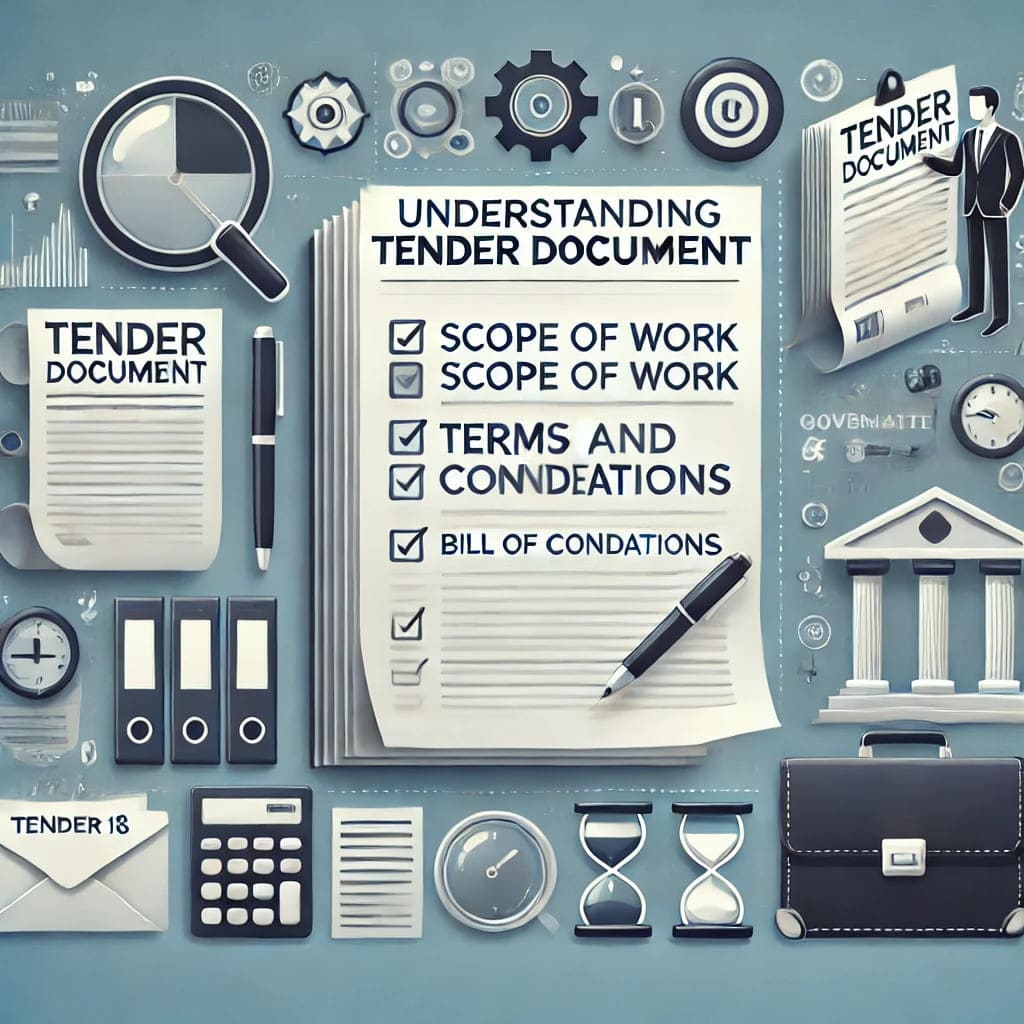
  • Scope of Work (SOW): Defines tasks, deliverables, and timelines.
  • Specifications and Standards: Lists quality, compliance, and technical requirements.
  • Bill of Quantities (BOQ): An itemized list for estimating project resources.
  • Terms and Conditions: Includes payment terms, penalties, and warranties.

How to Access Tender Documents

Tender documents are often available and download as downloadable PDFs, which can be found on government or private portals. Tender18 offers a convenient platform to access these documents and start the bidding process.

Steps for Preparing a Tender Response

To create a strong proposal:

  1. Review the Requirements: Ensure you can meet the Scope of Work and specifications.
  2. Outline Your Proposal: Match your resources and skills to project needs.
  3. Budget Accurately: Make sure costs are fully aligned with project expectations.
  4. Check Compliance: Meet all standards to prevent disqualification.
  5. Proofread and Finalize: Verify each detail to ensure a clear and complete submission.

Understanding Tender Document Fees

Public and large private tenders often include a fee, usually non-refundable. However, refunds may occur if the tender process is canceled or if the applicant qualifies for fee waivers.
Avoiding Common Mistakes with Tender Documents

To improve your chances of winning:

  • Meet Deadlines: Late submissions are often rejected.
  • Complete Documentation: Ensure all required forms are included.
  • Fulfill Mandatory Requirements: Check all qualifications and stability requirements.
  • Read Terms Carefully: Understand all responsibilities and penalties.
  • Budget Correctly: Present a clear financial plan to reinforce your proposal.

Conclusion

Though tender documents can seem complex, mastering them helps make a great impression with procurement teams. By carefully analyzing each component and submitting a detailed, accurate bid, you can improve your chances of success.
Why Choose Tender18

Tender18 is here to support you with thousands of tender opportunities, resources, and expert guidance, empowering you to navigate the tender process with confidence.

Get Expert Tender Bidding Support

Looking For Complete Tender Bidding Consultancy? Our Technical Experts Will Help You Prepare And Submit Your Tender Successfully.

Call Our Expert: +91 7069661818
Your Information Is 100% Secure & Confidential
1.

How do I prepare a winning tender response

Start by thoroughly reviewing the Scope of Work and ensuring strict compliance with all technical requirements. Next, accurately budget your costs using the BOQ, gather mandatory documents, and utilize professional tender bidding support to submit a flawless, timely proposal.

2.

Why do government tender bids get rejected

Bids are commonly rejected due to late submissions, incomplete documentation, or failure to meet mandatory technical eligibility criteria. Ignoring specific terms and conditions or submitting an inaccurate budget also leads to immediate disqualification during technical evaluation.

3.

How can MSMEs get exemptions on tender document fees

Registered Micro, Small, and Medium Enterprises (MSMEs) can claim tender fee exemptions by submitting a valid Udyam Registration Certificate. This government benefit encourages small business participation by reducing the upfront financial burden of tender bidding.

4.

What is a Bill of Quantities (BOQ) in tendering

A Bill of Quantities (BOQ) is an itemized list detailing the materials, labor, and parts required for a project. It allows bidders to estimate costs accurately and submit competitive financial bids based on standardized project requirements.

5.

What is the difference between an RFP and an RFQ

A Request for Proposal (RFP) asks bidders to submit comprehensive strategic solutions and technical plans for complex projects. In contrast, a Request for Quotation (RFQ) simply requests specific pricing details for standardized goods or services.

6.

Are tender document fees refundable

Generally, tender document fees are non-refundable since they cover administrative costs. However, refunds may be issued if the procurement department cancels the tender entirely. Certain categories, like registered MSMEs, often qualify for complete tender fee waivers.

7.

How can I download government tender documents online

You can download official tender documents as PDFs directly from government e-procurement portals like GeM or CPP. Alternatively, Tender18’s tender information service provides a centralized platform to easily access, review, and download documents for relevant bids.

8.

What are the essential components of a standard tender document

Key components include the Scope of Work (SOW), technical specifications, Bill of Quantities (BOQ), and legal terms and conditions. These elements outline project deliverables, quality standards, and payment terms, ensuring both parties understand the contract obligations.

9.

What is a tender document in government procurement

A tender document is an official package detailing project requirements, technical specifications, and contract terms. It guides potential bidders in understanding the scope of work so they can submit compliant proposals. Tender18 offers professional tender information services to simplify this process.